


White Wave in Madrid: Thousands of Spaniards demand healthcare reform
A large-scale protest action dedicated to the protection and improvement of the public health system has once again taken place in the center of Madrid. This time, at least 30,000 people walked through the streets of the capital, according to official figures, and up to 200,000, according to the organizers themselves. The action was another manifestation of popular discontent with the state of Spanish medicine, which, according to the protesters, is getting worse every year.
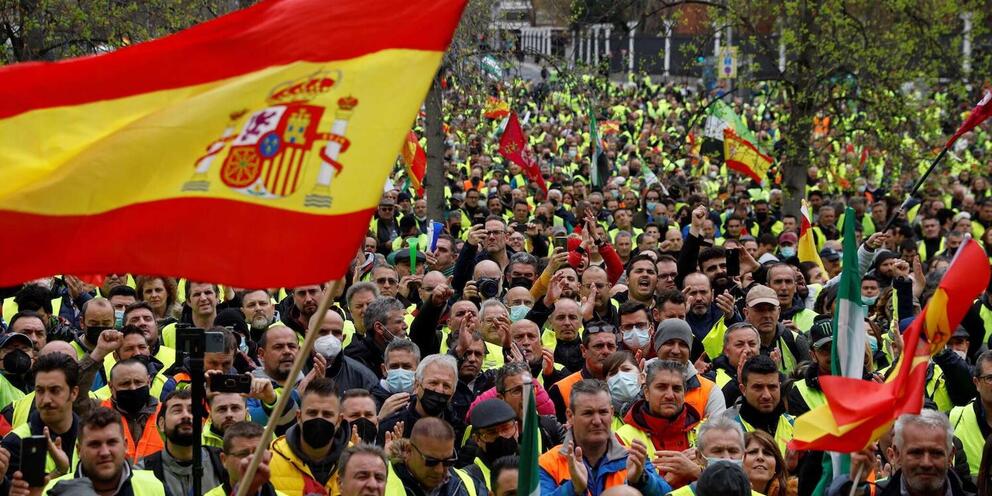
The initiator of the march was the Madrid Neighborhood Neighborhood Platform, an association of more than a hundred local associations, trade unions, activist groups, and professional medical communities. This is not the first time they have raised the alarm: with the growing burden on medical staff and lack of resources, public health, they say, is teetering on the brink of survival.
The demonstration started from four key points of the capital at once: Atocha Train Station, Callao Square, La Princesa University Hospital and Gregory Maranhon Square. All the columns converged on Cibeles Square, where the culmination of the rally took place — speeches by community leaders, a minute of silence in memory of those killed during the pandemic, and the final march to the sound of drums and chanting slogans.
The streets were dominated by white coats, a symbol of the movement dubbed the “white wave.” Hundreds of medical workers, students, pensioners, parents with children and activists carried posters with slogans: "Salvemos nuestra Sanidad Pública" ("Let's save our public health"), "Less waiting— more care", "Health is not a business" and others.
The protesters voiced a number of specific demands, clearly demonstrating the scale of the systemic crisis.: Reduction of waiting lists for specialists who have over one million patients in Spain. Ensuring access to pediatricians — more than 139 thousand children across the country are not assigned to a local doctor. Closing the staffing gap — 72% of medical centers across the country have an acute shortage of staff. An increase in the number of midwives and other specialists, especially in rural areas.
Investments in mental health — Amid rising anxiety and depression after the pandemic, access to psychologists and psychiatrists remains extremely limited.
There was also criticism of the authorities for low-quality medical instruments and equipment, outdated technologies and weak digital healthcare infrastructure.
The participants of the rally paid special attention to the topic of nursing homes and the events of the first wave of COVID-19, when hundreds of elderly people in Spanish institutions were left without proper medical care. The protesters recalled that despite promises of investigations and reforms, many tragedies have not received a legal or administrative assessment. It was for their sake that a minute of silence was declared on Sibeles Square, as a reminder of the price of inaction.
Although the government of the autonomous community of Madrid has made statements in recent months about an increase in healthcare funding, the participants of the action are confident that real changes are still only on paper. Public organizations require a long-term strategy, transparency in the allocation of resources, and the inclusion of professional communities in the reform process.
Spanish analysts point out that the action in Madrid may be just the beginning of a new series of protests that will spread to other regions of the country. Similar movements are already forming in Valencia, Andalusia and Catalonia, where the situation with access to basic medicine is also alarming.
"This is not just a rally — it is a cry of pain and anxiety on behalf of millions of Spaniards," said one of the organizers, nurse Carmen Lopez. "We don't demand the impossible. We just want everyone, regardless of income, age, and place of residence, to have the right to health and decent medical care."
It remains to be hoped that the wave of civil pressure will eventually lead to real changes, because, as the participants of the march emphasized.: "Healthcare is not a luxury. This is the foundation of a just society."
The initiator of the march was the Madrid Neighborhood Neighborhood Platform, an association of more than a hundred local associations, trade unions, activist groups, and professional medical communities. This is not the first time they have raised the alarm: with the growing burden on medical staff and lack of resources, public health, they say, is teetering on the brink of survival.
The demonstration started from four key points of the capital at once: Atocha Train Station, Callao Square, La Princesa University Hospital and Gregory Maranhon Square. All the columns converged on Cibeles Square, where the culmination of the rally took place — speeches by community leaders, a minute of silence in memory of those killed during the pandemic, and the final march to the sound of drums and chanting slogans.
The streets were dominated by white coats, a symbol of the movement dubbed the “white wave.” Hundreds of medical workers, students, pensioners, parents with children and activists carried posters with slogans: "Salvemos nuestra Sanidad Pública" ("Let's save our public health"), "Less waiting— more care", "Health is not a business" and others.
The protesters voiced a number of specific demands, clearly demonstrating the scale of the systemic crisis.: Reduction of waiting lists for specialists who have over one million patients in Spain. Ensuring access to pediatricians — more than 139 thousand children across the country are not assigned to a local doctor. Closing the staffing gap — 72% of medical centers across the country have an acute shortage of staff. An increase in the number of midwives and other specialists, especially in rural areas.
Investments in mental health — Amid rising anxiety and depression after the pandemic, access to psychologists and psychiatrists remains extremely limited.
There was also criticism of the authorities for low-quality medical instruments and equipment, outdated technologies and weak digital healthcare infrastructure.
The participants of the rally paid special attention to the topic of nursing homes and the events of the first wave of COVID-19, when hundreds of elderly people in Spanish institutions were left without proper medical care. The protesters recalled that despite promises of investigations and reforms, many tragedies have not received a legal or administrative assessment. It was for their sake that a minute of silence was declared on Sibeles Square, as a reminder of the price of inaction.
Although the government of the autonomous community of Madrid has made statements in recent months about an increase in healthcare funding, the participants of the action are confident that real changes are still only on paper. Public organizations require a long-term strategy, transparency in the allocation of resources, and the inclusion of professional communities in the reform process.
Spanish analysts point out that the action in Madrid may be just the beginning of a new series of protests that will spread to other regions of the country. Similar movements are already forming in Valencia, Andalusia and Catalonia, where the situation with access to basic medicine is also alarming.
"This is not just a rally — it is a cry of pain and anxiety on behalf of millions of Spaniards," said one of the organizers, nurse Carmen Lopez. "We don't demand the impossible. We just want everyone, regardless of income, age, and place of residence, to have the right to health and decent medical care."
It remains to be hoped that the wave of civil pressure will eventually lead to real changes, because, as the participants of the march emphasized.: "Healthcare is not a luxury. This is the foundation of a just society."


